The Oracle’s Exit: Warren Buffett’s Final 20 Lessons on Wealth, Legacy, and Dodging Banana Peels
Warren Buffett, the man who’s made 'boring' investments into billions, just delivered his final address. In his latest—and likely final—letter to Berkshire Hathaway shareholders, the 95-year-old 'Oracle of Omaha' announced he’s “going quiet.”
But before he fades out, he offered a candid peek at his own playbook—one that focuses less on quarterly earnings and more on life, legacy, and dodging metaphorical banana peels.
As a busy healthcare professional or business owner, you might think a letter from a guy reminiscing about his 1938 appendectomy has nothing to do with your practice or your portfolio. You’d be wrong. I’ve sifted through the nostalgic anecdotes to pull out the 20 best insights that apply directly to your financial strategy, your career, and the legacy you’re building.
💰 Money, Management, and The Market
1. The 65-Year-Old Finish Line is a Myth (Longevity Requires Purpose)

If you’re a physician or business owner, you likely didn’t spend years earning advanced degrees just to clock out the moment you hit Social Security age. Buffett, still at his office five days a week at 95, confirms this. His point isn't that you must work forever, but that the goal isn't necessarily to retire at 65.
Instead, it is to have financial independence, which grants you choices, options, and freedom. The biggest secret to his longevity? Work is beneficial. Your career offers a structure, a community, and a sense of purpose that contribute deeply to a long, engaged life. Find your purpose and keep showing up.
2. Thrift is the Original Life Hack
Buffett mentions how Charlie Munger worked at his grandfather’s grocery store for $2 for a 10-hour day, noting that "Thrift runs deep in Buffett blood". This isn't just a fun fact; it's a foundational financial principle. Before you chase complex investments, make sure you have the basics down: live below your means. If it works for the Oracle, it can work for the rest of us.
3. Regulatory Reform Can Backfire (The Law of Unintended Envy)

Ever think regulations sometimes miss the mark? Buffett noted that reforms intended to embarrass CEOs by comparing their pay to the average employee's salary completely backfired. Instead of promoting moderation, it created massive envy.
The result? CEO pay (and board pay) skyrocketed because everyone wanted to be "worth more" than their competitor. Lesson: Good intentions don't always equal good outcomes. Be wary of unintended consequences in policy and in your own financial strategy.
4. Envy is the Wealth Killer
Expanding on the point above: "Envy and greed walk hand in hand". The thing that often bothers wealthy CEOs is that other CEOs are getting even richer. As a busy professional, focus on your own lane. Comparing your success to a colleague or competitor is a dangerous game that leads to chasing bad returns or making rash decisions.
5. Size Kills Speed
Buffett admits that Berkshire’s massive size takes its toll, and that a decade or two from now, many smaller, nimbler companies will likely have done better. As a business owner or employee, this is a friendly reminder that efficiency and being nimble can be a huge competitive edge over large corporations. Don't worry about being the biggest; focus on being the best and most effective in your niche.
6. Don't Despair If the Stock Market Tanks

This is a must-know for any investor: Buffett warns that Berkshire's stock price will move unpredictable at time, "occasionally falling 50% or so as has happened three times in 60 years under present management". The market gets emotional. If you own a fundamentally sound company with good management, don’t panic-sell. This is a powerful antidote to market fear.
7. Admit Your Mistakes (and Change Direction Fast)
Remember "New Coke" in 1985? Don Keough, then President of Coca-Cola, made a famous speech apologizing to the public and reinstating "Old" Coke after mail addressed to "Supreme Idiot" was delivered to his desk. The simple lesson: If a project or strategy isn't working, course-correct. Fast. The public (or your staff) ultimately owns the product, not you.
8. Rule from the Present, Not the Grave. (Accelerate Your Legacy)
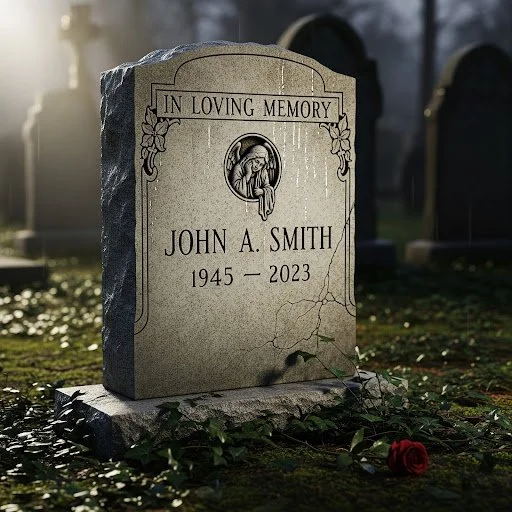
Buffett is accelerating his gifts to his children’s foundations because he wants them to have the maturity and energy to disburse the fortune before alternate trustees replace them.
He states: "Ruling from the grave does not have a great record, and I have never had an urge to do so." Action Item: For high-net-worth individuals, this is a clear sign to prioritize estate planning and consider the benefits of lifetime giving while you can guide the process and enjoy the impact.
9. The Power of Proximity (And Old Friends)
Buffett recounts countless successful people he worked with—Charlie Munger, Stan Lipse, Don Keough, Greg Abel—all of whom lived blocks from him in Omaha, often without him realizing it for years. Lesson: Your network and community are often right under your nose. Building deep, long-term relationships with the people around you can profoundly influence your life, financially and personally.
👨👩👧👦 Legacy, Luck, and Leadership
10. Don't Hoard Your Luck
Buffett is explicit: he drew a "ridiculously long straw at birth," being born healthy, reasonably intelligent, and in America in 1930. He states that many leaders and the rich receive far more than their share of luck, which they often prefer not to acknowledge. The takeaway: As your wealth increases, so should your generosity to those less fortunate. He sets the example by increasing his lifetime gifts to his family foundations.
11. Thank America (It Maximized Your Opportunities)

Even while acknowledging its capricious distribution of rewards, Buffett reminds us to thank America for maximizing our opportunities. It’s a nuanced view: be grateful for the foundational environment that allowed you to succeed, but also be aware that the system isn't perfect. Keep perspective, especially in moments of great financial achievement.
12. Focus on Being a Good Example
When discussing his children's success in philanthropy, Buffett jokes that they received a "dominant dosage of their genes from their mother". But he also mentions he became a better model for their thinking and behavior as the decades passed. Lesson for raising your own: Genetic lottery aside, your modeling of behavior matters more over time. The best way to "raise your children well" is to live the values you want them to adopt.
13. Be Grateful for Your Health

The Oracle is grateful and surprised by his luck in being alive. He notes how others, can be born into less fortunate circumstances or have disabling infirmities.
As a healthcare professional, you see this disparity daily. His core message: Be thankful for being alive and the sheer amount of good luck that paved your path.
14. Today's Idol May Be Tomorrow's Disgrace
This is one of the wittier, more cynical lessons. As a child, Buffett revered J. Edgar Hoover. He later realized that he should have "fingerprinted J. Edgar himself" as Hoover became disgraced for misusing his post. Don't idolize blindly. People who are praised currently may end up not being praised in the future.
15. Marry Well (Seriously)

Though not a direct lesson, Buffett casually speaks of his first wife, Susie, and her positive influence on his children. When you're building a dynasty (even a small, family one), choosing your spouse wisely is perhaps the most important decision you'll ever make.
16. Get the Right Heroes and Copy Them
Expanding on the previous point, Buffett advises: "Get the right heroes and copy them". He specifically calls out Tom Murphy: "he was the best". You can't choose your family, but you can choose who you emulate. Find mentors and friends—like Charlie Munger or Don Keough—who make you better and avoid those who are toxic.
17. The Second Half of Your Life Should Be Better
A surprisingly optimistic view from a 95-year-old: "I'm happy to say I feel better about the second half of my life than the first". His advice is simple: "Don't beat yourself up over past mistakes—learn at least a little from them and move on". It is never too late to improve.
18. Decide Your Obituary Today
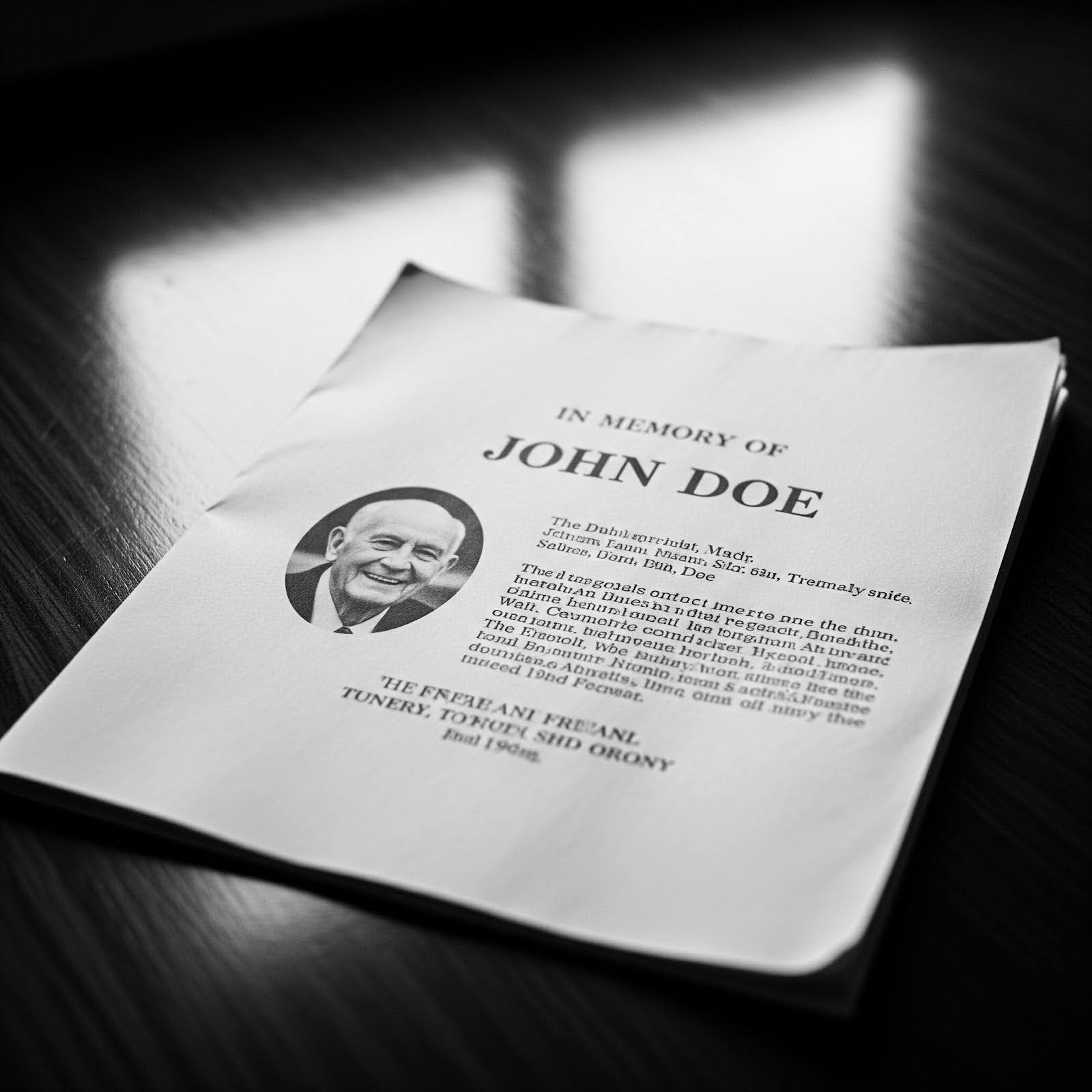
Buffett brings up Alfred Nobel, who reportedly read his own mistaken obituary and was horrified, realizing he needed to change his behavior.
Don't wait for a newsroom mix-up. Decide what you would like your obituary to say and live the life to deserve it. Time can sneak up on you.
19. Greatness is Costless Kindness
This is a profound capstone to his life lessons. "Greatness does not come about through accumulating great amounts of money, great amounts of publicity or great power in government". Instead, when you help someone, you help the world. Kindness is costless yet priceless. Whether you're religious or not, it's hard to beat The Golden Rule as a guide to behavior.
20. Pick a Base and Build

Buffett recounts buying his first and only home in 1958, just miles from where he grew up. His children were raised there, and he felt Berkshire and he "did better because of our base in Omaha than if I had resided anywhere else". While moving might seem necessary for career growth, Buffett suggests that putting down deep roots in one place—socially, professionally, and personally—can be an underappreciated key to long-term success.
The Final Word: Be Better
Buffett is "going quiet," but his lessons are shouting at us. His final thoughts, delivered with his signature humility and wit, remind us that the biggest returns aren't found in the stock market; they're found in the impact we have on our people and our principles.
You can choose your heroes carefully and emulate them. You will never be perfect, but you can always be better. The Oracle has spoken. The question is: Are you ready to implement the playbook?
Buffett knows that life—and the market—is full of unexpected pitfalls. From unexpected market drops to mismanaged estate plans, there are too many predictable, avoidable mistakes.
Do you want a financial strategy built to withstand the market volatility and time’s relentless advance? Contact me below to discuss how to build a financial plan for stability and longevity that will help you dodge the financial banana peels. 🍌
Here is the link to Buffett’s full letter to the shareholders if you would like to read it. https://berkshirehathaway.com/news/nov1025.pdf







Fiduciary Financial Advisors, LLC is a registered investment adviser and does not give legal or tax advice. Information presented is for educational purposes only and does not intend to make an offer or solicitation for the sale or purchase of any securities. The information contained herein has been obtained from a third-party source which is believed to be reliable but is subject to correction for error. Investments involve risk and are not guaranteed. Past performance is not a guarantee or representation of future results.
